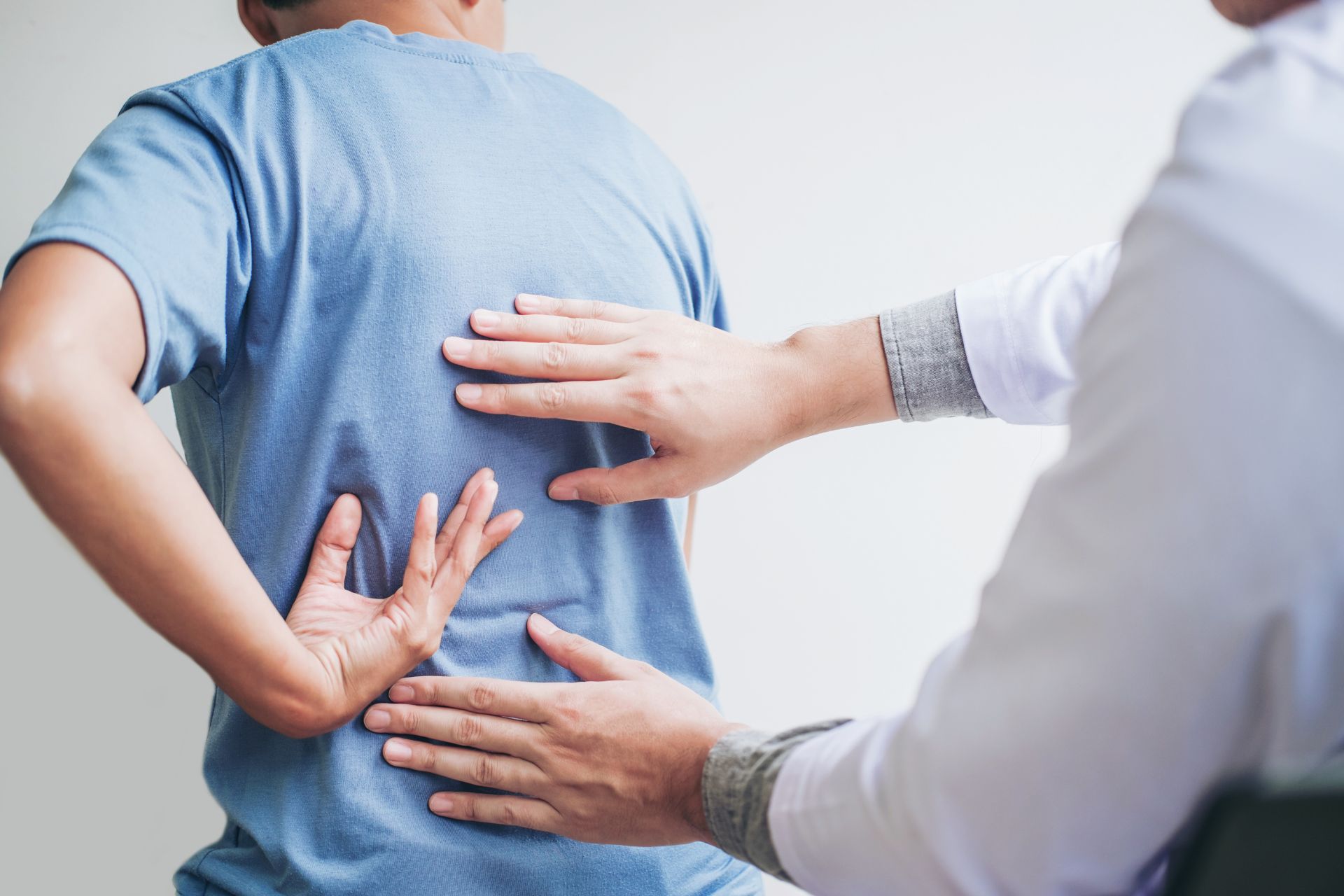
Optimizing Post-Surgical Mobility Through Targeted Therapy Techniques

Optimizing Post-Surgical Mobility Through Targeted Therapy Techniques

Discover effective strategies for optimizing post-surgical mobility through targeted therapy techniques. This comprehensive guide provides insights on enhancing recovery and improving overall movement after surgery.

How can neuromuscular electrical stimulation enhance post-surgical rehabilitation outcomes?

Neuromuscular electrical stimulation (NMES) can significantly enhance post-surgical rehabilitation outcomes by promoting muscle recovery, improving strength, and facilitating the healing process after surgery. By delivering controlled electrical impulses to targeted muscles, NMES activates motor neurons, leading to muscle contractions similar to voluntary movements. This stimulation not only helps prevent atrophy of muscles that may be immobilized due to surgical procedures but also enhances blood circulation in the affected area, which is crucial for nutrient delivery and waste removal during recovery. Additionally, NMES aids in pain management through its analgesic effects and can contribute to improved range of motion as patients regain functionality more quickly than with traditional rehabilitation methods alone. The use of this technology can lead to significant gains in both physical performance metrics like endurance and strength while decreasing the overall duration of rehabilitation programs. Furthermore, integrating NMES into a personalized postoperative care plan allows healthcare providers to target specific areas needing reinforcement or support based on individual surgical procedures such as orthopedic repairs or abdominal surgeries. Overall, neuromuscular electrical stimulation serves as an effective adjunct therapy that complements conventional approaches like physical therapy exercises by enhancing neuromuscular coordination and accelerating functional recovery timelines for patients following various types of surgeries.

Post-orthopedic recovery therapy plays a crucial role in enhancing mobility and reducing pain after surgery. Engaging in these therapeutic practices can significantly improve your rehabilitation outcomes, leading to a faster return to daily activities. To learn more about the benefits of post-orthopedic recovery therapy, visit guidance on relieving post-op discomfort

What role does proprioceptive training play in improving joint stability after surgery?

Proprioceptive training plays a vital role in enhancing joint stability after surgery by focusing on the body's ability to sense its position and movement through specialized receptors found in muscles, tendons, and joints. This type of training involves exercises that improve balance, coordination, and kinesthetic awareness, which are crucial for restoring function following surgical interventions such as ligament repairs or arthroscopic procedures. By incorporating activities like single-leg stands, wobble board exercises, and dynamic movements that challenge stability while engaging core muscles, patients can retrain their neuromuscular system to respond more effectively during daily tasks or sports activities. Furthermore, proprioceptive training helps reduce the risk of re-injury by strengthening not only the surrounding musculature but also enhancing reflexes that stabilize joints during unexpected motions. Through consistent practice of these targeted drills within rehabilitation programs post-surgery—often supplemented with functional strength training—the body learns to adapt better under varying conditions while maintaining proper alignment and reducing compensatory patterns associated with weakness or instability from previous injuries. Overall, integrating proprioceptive components into recovery regimens significantly contributes to improved joint integrity and long-term outcomes for individuals recovering from orthopedic surgeries.

In what ways do individualized therapeutic exercise programs influence recovery timelines for orthopedic patients?

Individualized therapeutic exercise programs significantly influence recovery timelines for orthopedic patients by tailoring rehabilitation strategies to meet the specific needs and conditions of each individual. These customized plans often incorporate a variety of exercises aimed at improving strength, flexibility, balance, and endurance while addressing unique injuries or surgeries such as fractures, ligament tears, or joint replacements. By focusing on targeted muscle groups and functional movements relevant to the patient's daily activities or sports requirements, these individualized sessions help optimize healing processes through enhanced blood circulation and reduced inflammation. Additionally, they promote neuromuscular re-education which is crucial in restoring proper movement patterns after surgery or injury. The ability to adjust intensity levels based on patient feedback allows physical therapists to monitor progress closely and modify routines accordingly; this adaptability can lead to quicker gains in range of motion and overall function compared to generic approaches. Furthermore, psychological factors play an important role—personalized programs can boost motivation since patients feel more engaged when their treatment reflects personal goals rather than a one-size-fits-all regimen. In turn, achieving milestones like pain reduction or improved mobility facilitates adherence to prescribed exercises outside therapy sessions leading ultimately towards shorter recovery times while minimizing risks of re-injury during transition back into regular life activities.

How effective are aquatic therapy techniques in reducing pain and increasing mobility post-operatively?

Aquatic therapy techniques, which involve therapeutic exercises performed in water, have been shown to be highly effective in reducing pain and increasing mobility for patients recovering from surgical procedures. The buoyancy of the water helps alleviate stress on joints and muscles, allowing individuals to engage in gentle movements without the fear of exacerbating their post-operative discomfort. This low-impact environment facilitates a range of rehabilitation activities such as stretching, strengthening exercises, and cardiovascular training while promoting improved circulation and muscle relaxation. Additionally, aquatic therapy can enhance proprioception—the body’s ability to sense its position—leading to better balance and coordination as patients regain strength after surgery. Furthermore, warm-water pools are often used during these sessions; the heat promotes vasodilation that aids blood flow and reduces stiffness associated with surgical recovery. Studies indicate that consistent participation in aquatic programs not only results in significant reductions in postoperative pain levels but also accelerates overall functional independence by enhancing flexibility and joint range of motion over time. Overall, integrating aquatic therapy into postoperative rehabilitation protocols provides an innovative approach that can greatly support patients' journeys towards regained mobility and reduced discomfort following various types of surgeries.

What is the impact of utilizing progressive resistance training on muscle strength restoration following surgical interventions?

Utilizing progressive resistance training can significantly enhance muscle strength restoration following surgical interventions, as it involves gradually increasing the amount of weight or resistance that muscles must work against, which is crucial for recovery. After surgery, patients often experience muscle atrophy and decreased functional capacity due to immobilization or limited movement, leading to weakness in targeted areas such as limbs or core muscles. Progressive overload stimulates hypertrophy by promoting adaptations within the muscular system; this includes improvements in neuromuscular coordination and increased cross-sectional area of muscle fibers. By incorporating specific exercises tailored to a patient’s needs post-surgery—such as isotonic movements using free weights, machines, or elastic bands—the body engages in an effective rehabilitation process that minimizes complications like joint stiffness and enhances overall mobility. Furthermore, consistent application of this training method fosters better blood circulation and nutrient delivery to recovering tissues while also addressing psychological aspects related to motivation and confidence during rehabilitation phases. As individuals progress through different stages—from initial low-resistance activities aimed at regaining range of motion to more intense loads focusing on building strength—they are likely able not only to restore but potentially exceed their pre-surgical fitness levels over time when guided appropriately by healthcare professionals specializing in physical therapy or sports medicine practices.

Frequently Asked Questions

Several therapy techniques have been identified as particularly effective for enhancing gait speed in post-surgical patients, including progressive resistance training, task-specific functional exercises, and neuromuscular re-education. Progressive resistance training focuses on gradually increasing the load during ambulation drills to strengthen lower extremity muscles, while task-specific functional exercises incorporate real-life movement patterns that encourage dynamic balance and coordination. Techniques such as proprioceptive neuromuscular facilitation (PNF) may also aid in improving motor control and joint stability. Additionally, utilizing gait retraining protocols with visual feedback mechanisms can enhance spatial awareness and timing of steps. Incorporating aerobic conditioning through treadmill walking or aquatic therapy may further elevate cardiovascular endurance essential for sustained mobility improvements. These comprehensive approaches collectively contribute to optimizing recovery outcomes by facilitating enhanced ambulatory performance among individuals recovering from surgical interventions.

Individualized exercise programs for hip replacement patients can be meticulously tailored to address their unique mobility challenges by incorporating a comprehensive assessment of each patient's functional limitations, pain levels, and rehabilitation goals. These programs may include low-impact activities such as aquatic therapy and stationary cycling, which enhance joint flexibility while minimizing stress on the newly implanted prosthesis. Strengthening exercises focusing on the hip abductors, quadriceps, and hamstrings are essential to improve stability and balance post-surgery. Additionally, integrating range-of-motion techniques alongside proprioceptive training can facilitate enhanced kinesthetic awareness crucial for safe ambulation. Personalized progression plans that consider individual recovery timelines will also help in gradually increasing intensity without risking complications like dislocation or undue strain on soft tissues surrounding the joint. Regular reassessment ensures that adaptations are made based on evolving patient capabilities and encourages adherence through motivational strategies rooted in achievable milestones within their rehabilitative journey.

Proprioceptive training plays a crucial role in enhancing postural stability and balance following knee surgery by focusing on the body's ability to sense its position and movement in space. This type of proprioceptive rehabilitation often incorporates exercises that target neuromuscular coordination, joint awareness, and dynamic stability, which are essential for returning to functional activities. By engaging in specific balance drills such as single-leg stands, wobble board activities, or closed-chain movements, patients can improve their kinesthetic perception and mitigate risks associated with compensatory movement patterns that may lead to further injury. Additionally, proprioceptive training aids in the restoration of muscle strength around the knee joint while fostering quicker reflex responses during unexpected perturbations. Thus, integrating this form of rehabilitation into recovery protocols is vital for optimizing gait mechanics and overall performance outcomes after surgical interventions like arthroscopy or ligament reconstruction.

Various manual therapy methods have demonstrated significant efficacy in alleviating pain and enhancing range of motion following surgical interventions. Techniques such as myofascial release, joint mobilization, and soft tissue manipulation are often employed to facilitate recovery by reducing post-operative adhesions and promoting blood circulation. Research indicates that these modalities can effectively decrease muscle tension while improving flexibility through targeted stretching and neuromuscular re-education. Additionally, the application of proprioceptive neuromuscular facilitation (PNF) has been linked to improved functional movement patterns in individuals recovering from orthopedic surgeries. The integration of therapeutic exercises alongside these hands-on approaches further optimizes outcomes by reinforcing strength gains and preventing stiffness, thus supporting a more comprehensive rehabilitation process after surgery.

Aquatic therapy sessions have been shown to offer distinct advantages over traditional physical therapy for patients recovering from orthopedic surgeries, particularly regarding pain management and mobility enhancement. The buoyancy of water allows for reduced joint stress while facilitating a greater range of motion during rehabilitation exercises. Patients engaging in aquatic therapy often experience accelerated recovery rates due to the natural resistance present in water, which aids muscle strengthening without imposing excessive load on healing tissues. Furthermore, hydrostatic pressure assists in promoting circulation and reducing swelling, contributing to improved functional outcomes post-surgery. Studies indicate that individuals participating in aquatic rehabilitation may achieve superior results related to balance training and proprioceptive awareness compared to conventional land-based therapies, highlighting the efficacy of incorporating therapeutic modalities such as hydrotherapy into postoperative care protocols for optimal patient-centric recovery pathways following musculoskeletal interventions.
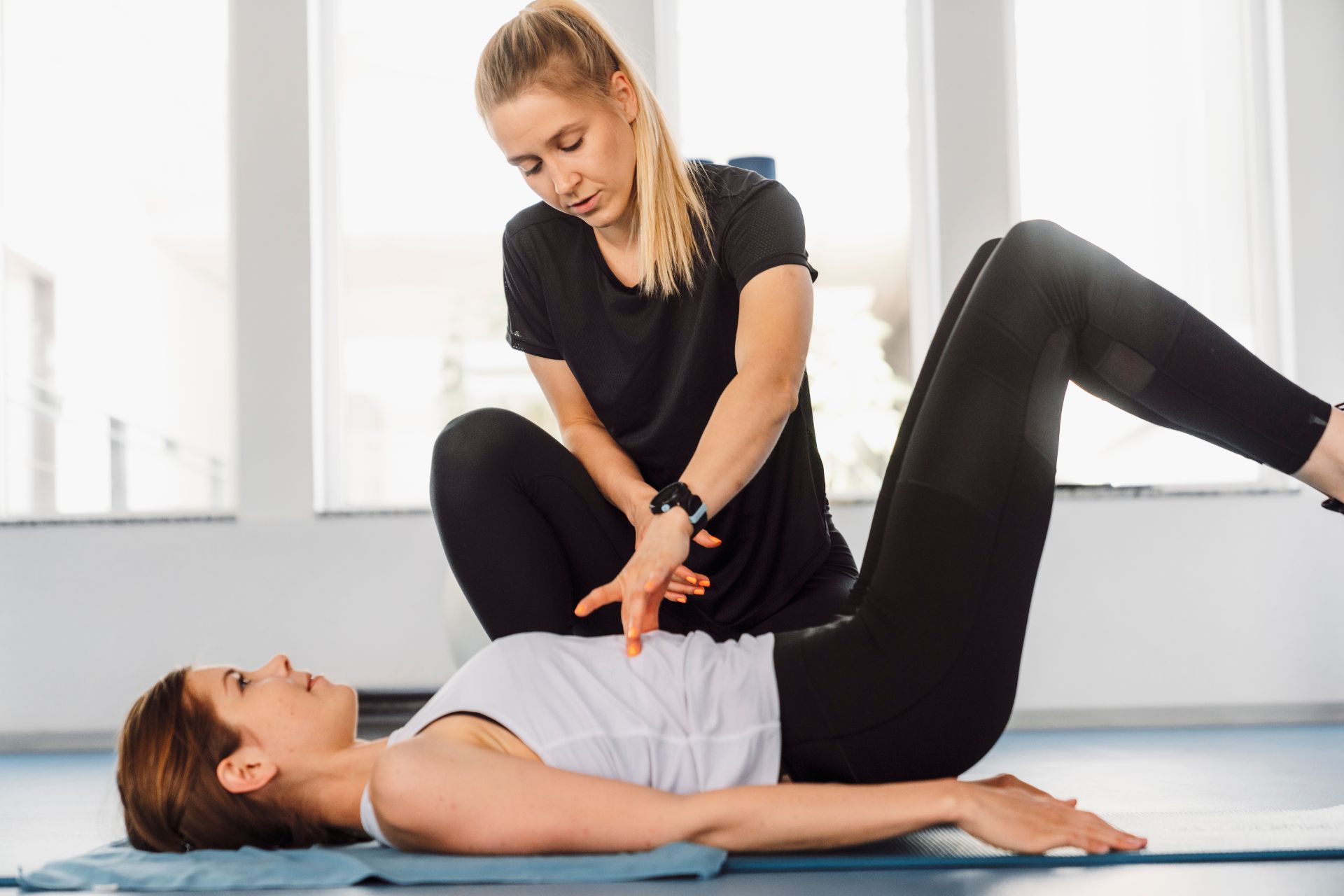
Optimizing Post-Surgical Mobility Through Targeted Therapy Techniques

Optimizing Post-Surgical Mobility Through Targeted Therapy Techniques

Contact Us

Alpine Physical Therapy and Fitness

  • Address: 3130 Alpine Rd Suite 370, Portola Valley, CA 94028
  • Phone: (650) 242-0777
  • Email: alpineptfit@mail.com

© Copyright - All Rights Reserved